

|
|
Part 1: The atmospheric component of the Hydrological Cycle.
Part 3: The land surface energy budget.
Part 1. The atmospheric component
of the Hydrological Cycle
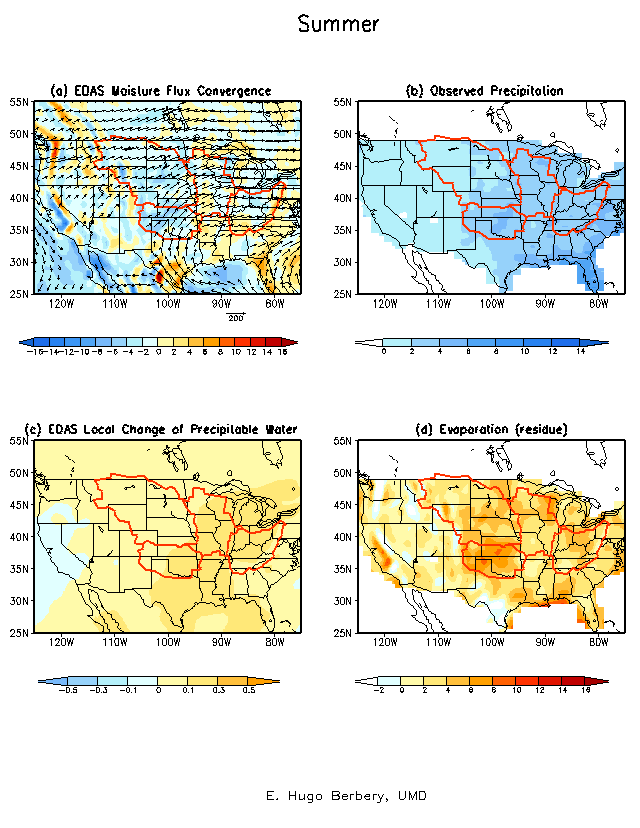
Figure 1: The atmospheric component of the Hydrologic Cycle for the
United States during summer.
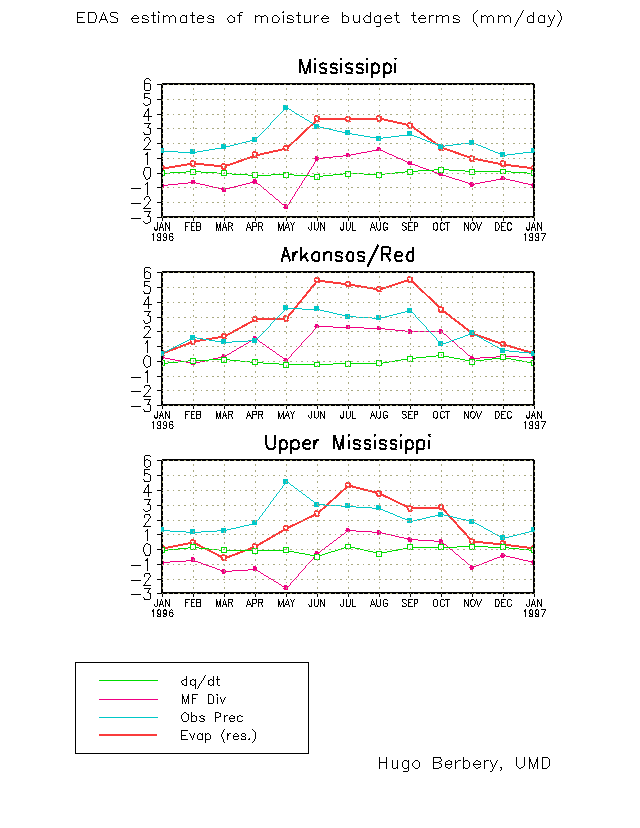
Figure 2: The annual cycle of the atmospheric components of the Hydrological
Cycle for the Mississippi River Basin and selected subbasins.
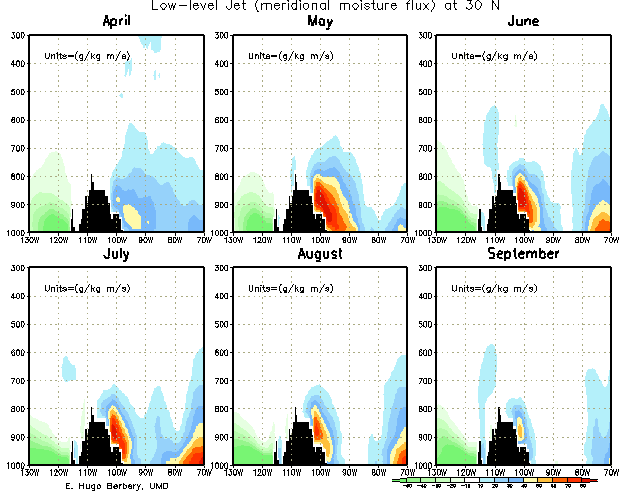
Figure 3: Warm season evolution of the meridional moisture flux at 30° N
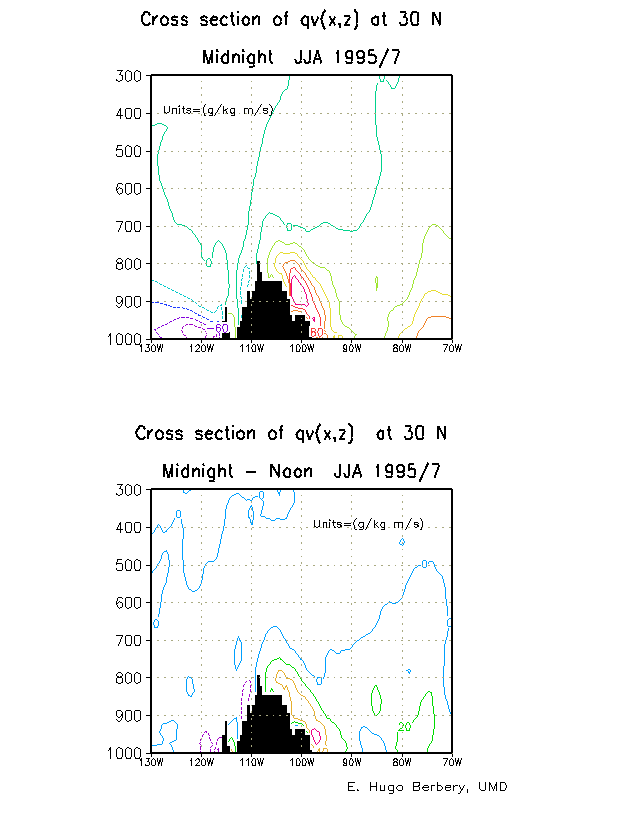
Figure 4: (a) Cross section of the summer meridional moisture flux
at 30° N; (b) Amplitude of the diurnal cycle of moisture flux.
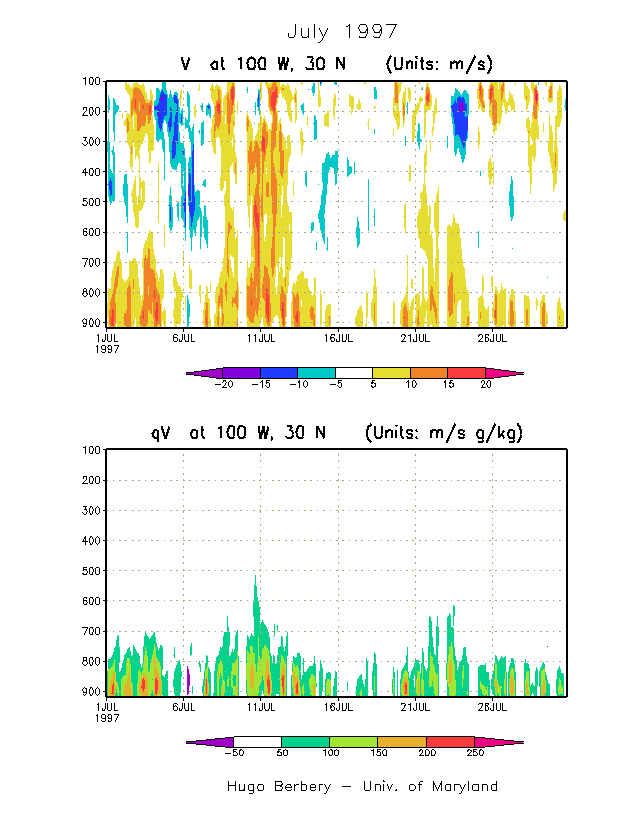
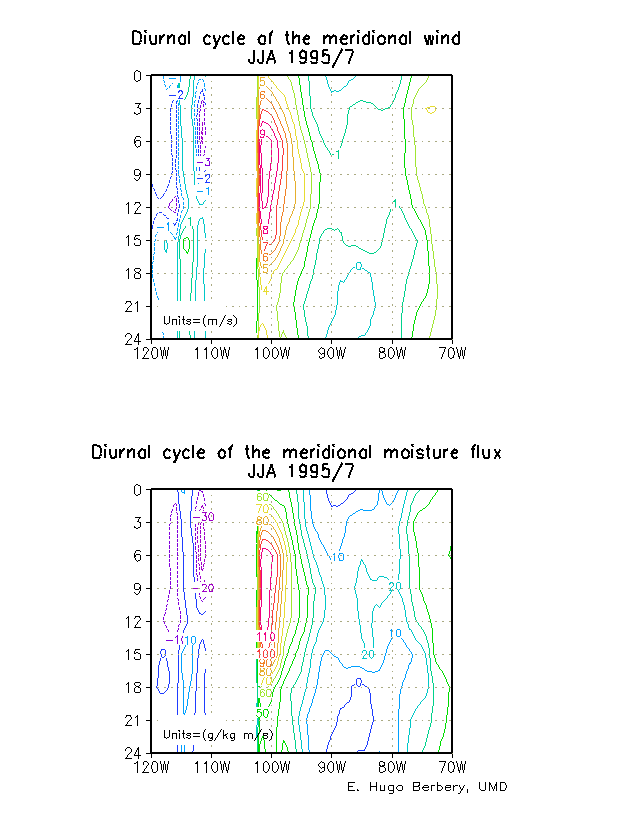
Figure 6: Diurnal cycle of (a) meridional wind and (b) meridional moisture flux at 30° N and 880 hPa during summer.
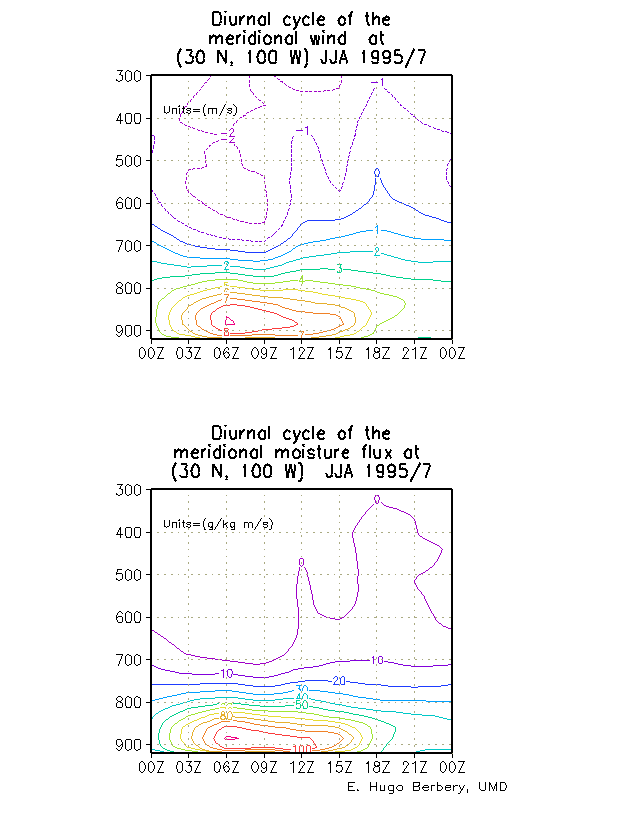
Figure 6cont.: Diurnal cycle of (c) meridional wind and (d) meridional moisture flux at 100° W, 30° N during summer.
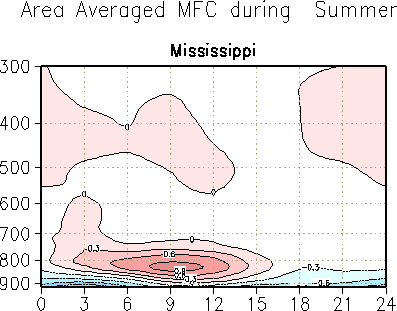
Figure 7: Diurnal cycle of the moisture flux convergence averaged over
the Mississippi River Basin during summer.
Note that the nighttime maximum is consistent with the nighttime maximum
of precipitation.